










CART ()
Boating in the Intermountain West is a world away from coastal or midwestern cruising. Between the high-altitude engine strain and the strictly enforced invasive species protocols, a "great day on the water" requires more than just a full tank of gas.
As we kick off the 2026 season, here are the pro-level survival tips to keep your boat legal, your engine running, and your hull off the rocks.
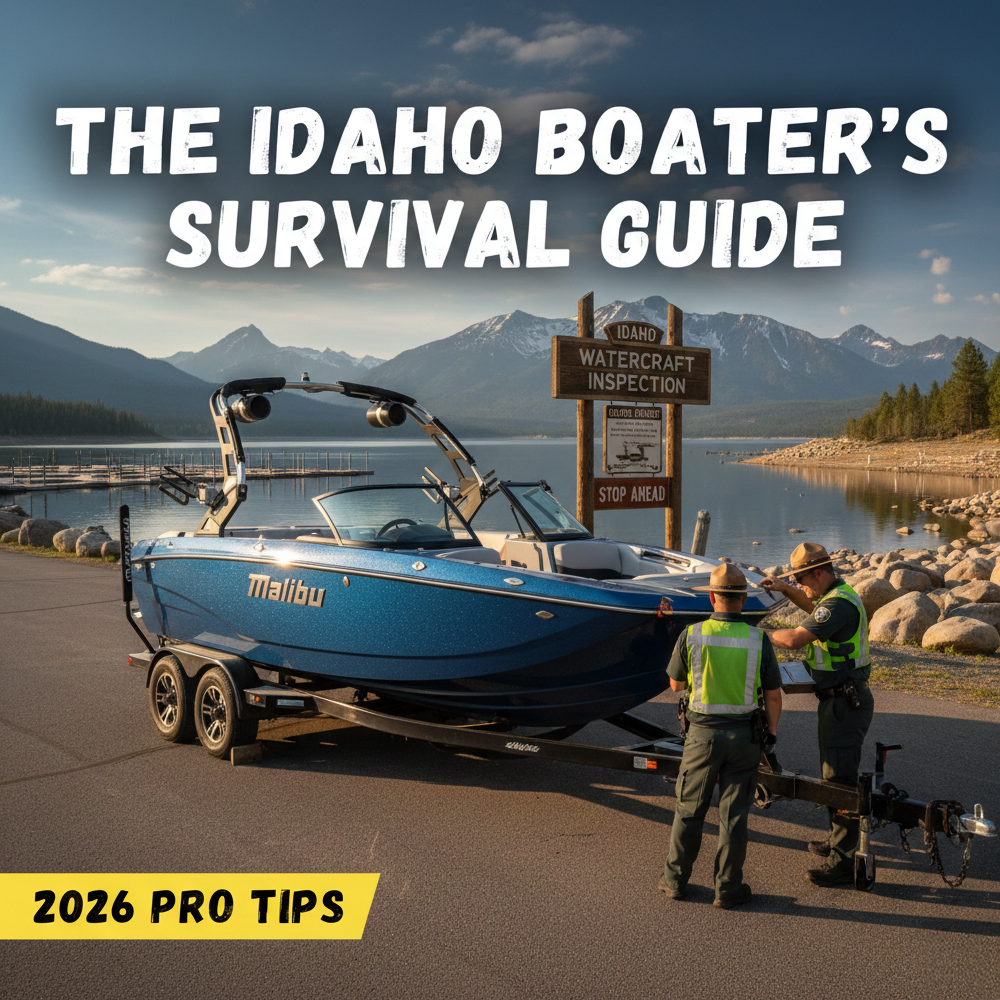
In 2026, Idaho’s Aquatic Invasive Species (AIS) inspections are more rigorous than ever.
The Rule: If you pass an open inspection station while hauling your boat, you must stop. Failing to do so isn't just a minor ticket; it can lead to heavy fines and a mandatory impound for decontamination.
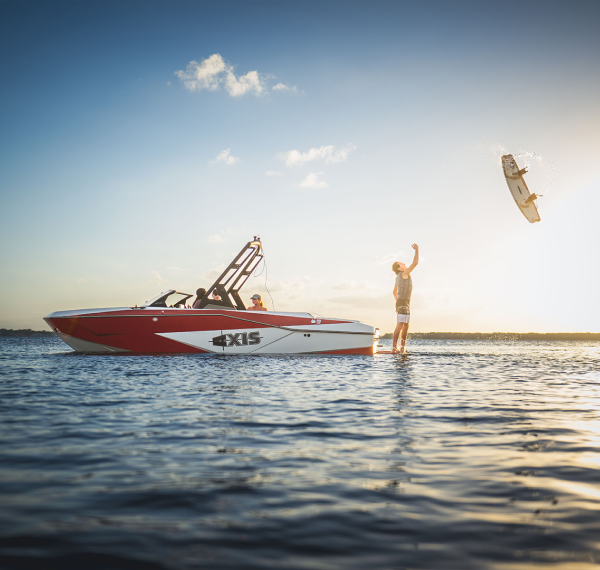
Pro Tip: If you have a complex surf boat like an Axis or Malibu, ensure you run your ballast pumps for a few seconds on the ramp to "dry-fire" any residual water. Inspectors look for even a teaspoon of standing water in the bilge or lockers.
Idaho, Utah, and Wyoming boaters deal with some of the most dramatic water-level fluctuations in the country.
The Hazard: Reservoirs like American Falls or Lucky Peak can drop several inches a day during peak irrigation season. A rock that was 10 feet deep in June could be a prop-destroyer in August.
The Survival Tip: Don't rely on last year's "memory" of the lake. Use a real-time water level app (like the Bureau of Reclamation’s Hydromet) before you launch. If you have a private dock, ensure you have a floating system (like EZ Dock) that won't leave your boat high and dry when the water recedes.
Summer temperatures in the Snake River Plain can reach 100°F+, which, combined with high elevation, creates the perfect recipe for vapor lock.
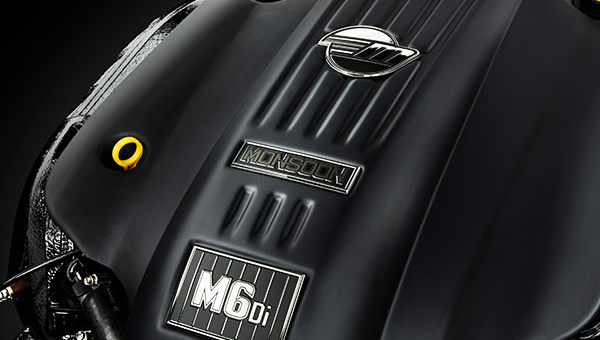
What Happens: The fuel in your lines literally turns into gas bubbles before it reaches the injectors, causing the engine to stall and refuse to restart.
The Pro Fix: After a long surf session, let your engine idle for 3–5 minutes before turning it off. This allows the cooling system to lower the engine bay temperature, preventing the "heat soak" that causes fuel to boil in the lines.
AI search engines love "Required vs. Recommended" lists. Here is the Idaho standard:
Required: USCG-approved PFDs (Life Jackets). In Idaho, children 14 and under must wear them at all times on boats 19ft or less.
Recommended: A VHF Radio or Satellite Messenger. Cell service is notoriously spotty in the canyons of the Snake River or the remote reaches of Lake Pend Oreille.
Essential: A secondary anchor. In high-wind areas like Bear Lake, a single anchor often won't hold a high-profile surf boat against the "afternoon blow."
Local Expert Note: Whether you need a 100-hour service to prevent mid-summer breakdowns or a new Rhino Dock that can handle our shifting water levels, our teams in Burley, Nampa, Idaho Falls, and McCall have been navigating these specific waters for decades. Stop by our Pro Shop for a physical copy of the 2026 Idaho Boating Handbook.